
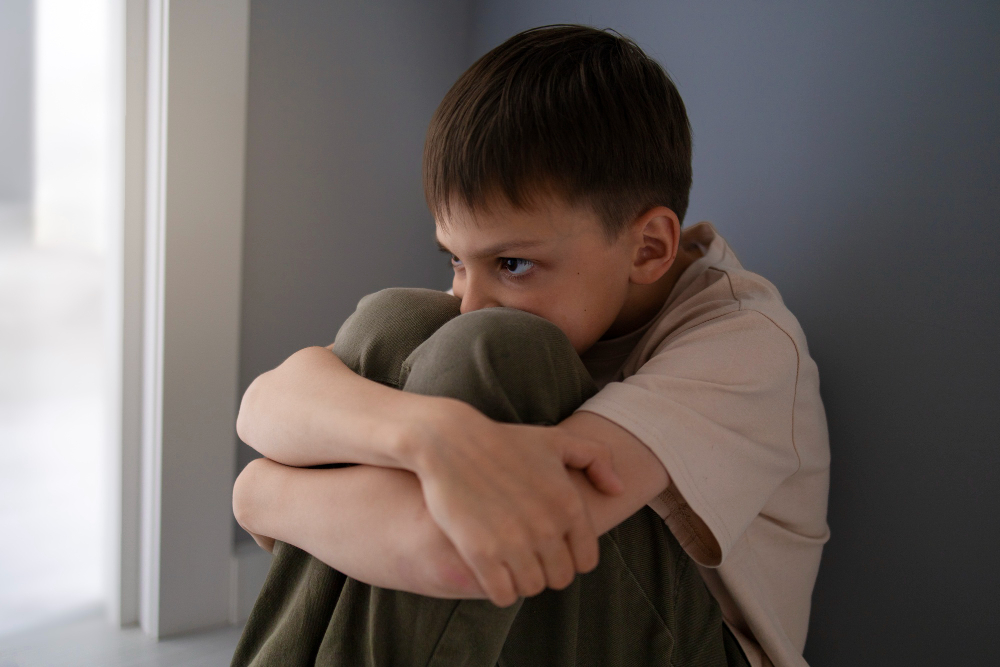
Understanding Social Anxiety in Children
Social anxiety in children is a common mental health condition. It causes intense fear or worry in social situations. Many children feel shy at times. However, social anxiety goes beyond normal shyness. It can affect school, friendships, and daily life. Early support is important because it helps children build confidence and cope better. According to the CDC, about 7% of children may experience anxiety disorders, including social anxiety. Recognizing the signs early can make a big difference.
Common Symptoms and Warning Signs
Children with social anxiety often show clear signs. Sometimes, these signs are mistaken for simple shyness. However, social anxiety symptoms are more intense and last longer. Watch for these warning signs:
For example, a child may refuse to answer questions in class or avoid eye contact. If these behaviors happen often, it may be social anxiety.
Causes and Risk Factors
Several factors can lead to social anxiety in children. While some children are naturally more sensitive, others may develop anxiety due to life events. Understanding the causes helps parents provide better support. Common risk factors include:
Additionally, children who have experienced trauma may be at higher risk. Not every child with these risk factors will develop social anxiety, but being aware can help with early intervention.
How Social Anxiety Is Diagnosed in Children
Diagnosing social anxiety in children involves several steps. First, a doctor or mental health specialist will talk with the child and family. They may ask about the child’s feelings, behaviors, and daily life. Sometimes, teachers or caregivers are also asked for input. The specialist may use questionnaires or checklists to better understand the symptoms. Importantly, they will rule out other conditions that may look similar. Early diagnosis helps children get the right support quickly.
Treatment Options for Social Anxiety in Children
There are effective treatments for social anxiety in children. Most children improve with the right help. Treatment plans are often tailored to each child’s needs. Common options include:
Most children do well with therapy and support. However, ongoing care may be needed for some.
Practical Guidance for Parents and Caregivers
Parents and caregivers play a key role in helping kids with social anxiety. With the right approach, children can feel safer and more confident. Here are some practical tips:
For example, you might practice greeting others together at home. Over time, these small steps can help your child feel more comfortable.
Prevention Tips and Early Intervention
Although not all cases can be prevented, early action can reduce the impact of social anxiety. Consider these prevention tips:
Early intervention often leads to better outcomes. Therefore, do not wait if you have concerns about your child’s anxiety.
When to Seek Professional Help
If your child’s anxiety is severe or lasts for several months, it is time to seek help. Also, if anxiety interferes with school, friendships, or family life, a specialist can provide guidance. Many communities offer support for anxious children, including counseling centers and school programs. Remember, early support can make a big difference in your child’s well-being.
For personalized advice on managing social anxiety in children, consult a pediatric specialist at Sri Krishna Children’s Hospital .