
Introduction
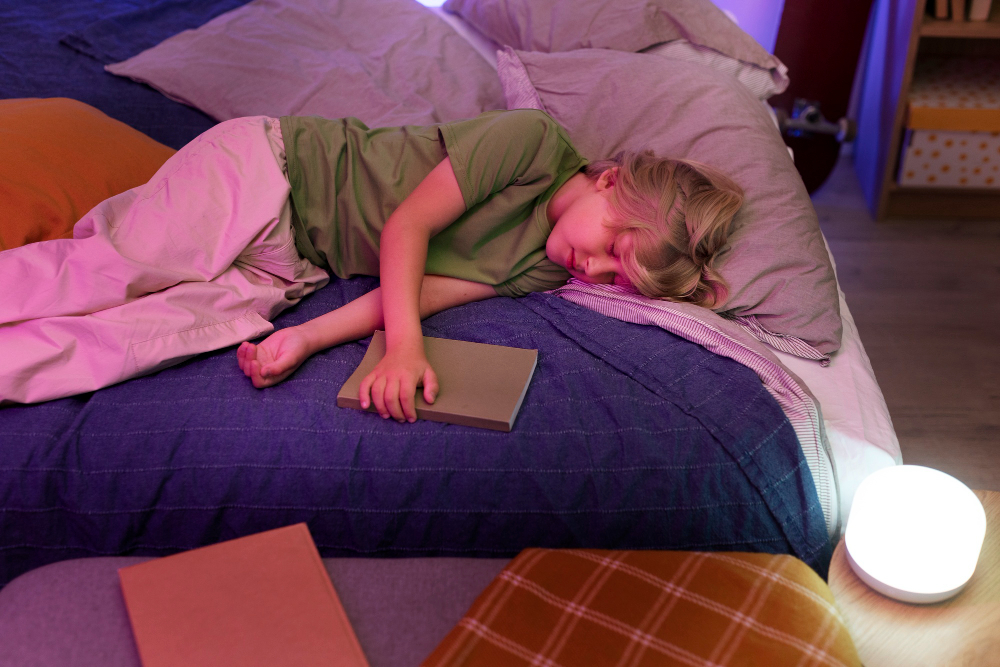
Sleep disorders in children are common but often overlooked. These problems can affect a child’s health, mood, and learning. For parents and caregivers, knowing about childhood sleep problems is important. Early action can help children grow and thrive. According to the CDC, good sleep is vital for a child’s development. In this blog, we will explain pediatric sleep disorders, their symptoms, causes, and solutions. We will also share tips on how to help kids sleep better.
Common Types of Sleep Disorders in Children
Many children face sleep issues at some point. However, some problems are more common than others. Here are a few types of pediatric sleep disorders:
Each disorder affects sleep in different ways. But all can impact a child’s daily life.
Symptoms and Warning Signs
It is important to spot pediatric sleep disorder symptoms early. Some signs are easy to miss. Yet, noticing them can help your child get the right care. Watch for these warning signs:
If you notice these symptoms, it may be time to seek help. Early action can make a big difference.
Causes and Risk Factors
Several things can cause sleep disorders in children. Sometimes, more than one factor is involved. Here are some common causes and risks:
Because each child is different, causes can vary. Still, knowing these risks can help you prevent problems.
Diagnosis and When to Seek Help
Sometimes, sleep problems go away on their own. But if symptoms last more than a few weeks, it is wise to talk to a doctor. A pediatrician may ask about your child’s sleep habits and health. They might suggest keeping a sleep diary. In some cases, a sleep study is needed. This test checks how your child sleeps overnight. Early diagnosis can lead to better treatment and fewer long-term issues.
Treatment Options (Medical and Lifestyle)
Treatment for sleep disorders in children depends on the cause. Often, simple changes can help. However, some children need medical care. Here are common solutions:
Always talk to your child’s doctor before starting any treatment. They can help you choose the safest option.
Tips for Healthy Sleep Habits
Good sleep habits can prevent many childhood sleep problems. Try these tips to help kids sleep better:
With these habits, children often sleep more soundly and wake up refreshed.
Prevention Strategies
Preventing sleep disorders in children is possible with the right steps. For example, start healthy sleep routines early in life. Also, talk openly about worries or fears your child may have. Encourage physical activity during the day. Limit screen time, especially before bed. Finally, watch for signs of sleep problems and act quickly if they appear. Prevention can save your child from bigger issues later on.
Conclusion
Sleep disorders in children can affect health, mood, and learning. However, with early action and the right support, most children can sleep well. If you notice ongoing sleep problems, do not wait.
Consult Sri Krishna Children’s Hospital for personalized advice on your child’s sleep health.